
Keepsake Box Ideas: Building a Physical Archive of Your Memories
Last updated July 11, 2026
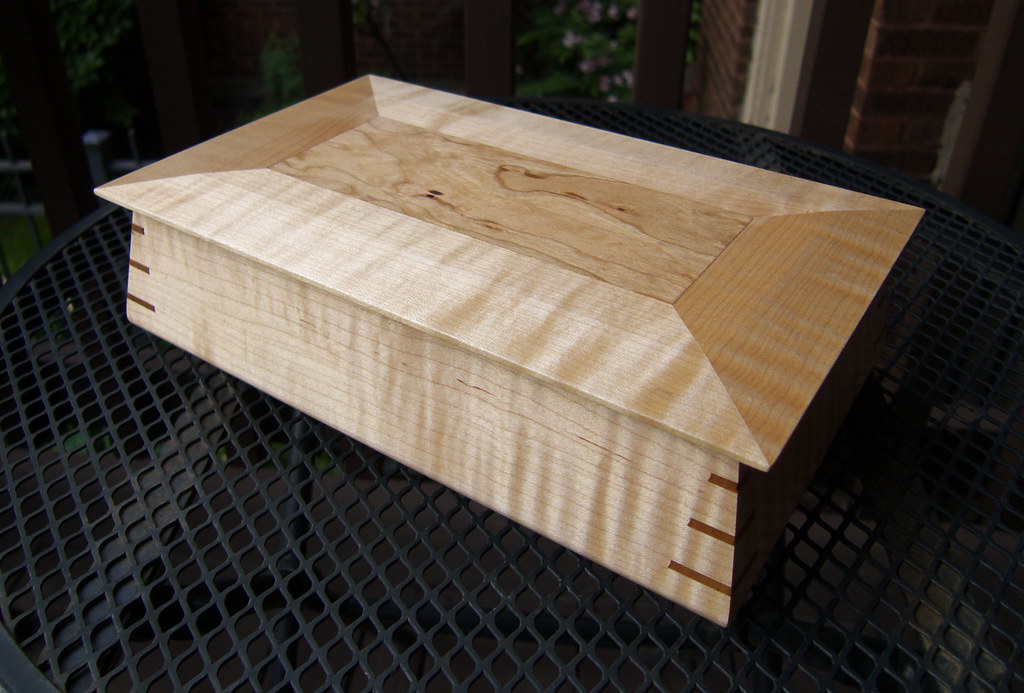
Photo by mindfrieze, licensed under CC BY-SA 2.0
Almost everyone has some version of a keepsake collection: a shoebox, a drawer, a folder shoved in a closet. Few people have one that's actually organized well enough to enjoy. The difference between a pile of stuff and a real keepsake box isn't the container — it's a bit of structure that turns "junk I couldn't throw away" into an archive that means something when you open it years later.
Choosing the box itself
The container matters less than people think, but a few things genuinely help:
- Something with a lid, not an open bin. A closed container signals "this is intentional," and protects contents from dust and light.
- Big enough for growth. A box that's already full the day you start it will just get replaced or ignored. Leave real room.
- Acid-free if it holds paper or photos. Ordinary cardboard and some woods off-gas compounds that yellow and degrade paper and photographs over years. A wooden keepsake box with a photo-frame lid is a nice option worth calling out specifically, since it doubles as a small display piece (one photo visible under glass on top) rather than disappearing into a closet the way a plain box tends to. It's bulkier and pricier than a bare box, so it makes more sense as the one dedicated memory box than as an everyday catch-all.
You don't need to buy anything special to start — a decent shoebox works for year one. Upgrading the container is a fine "phase two" project once you know roughly how much you're keeping.
What actually belongs in it
The instinct is to keep everything. The better approach is to keep a smaller number of items that are genuinely evocative, because a box that's manageable gets revisited, and a box that's overwhelming gets shoved in a closet forever. Strong candidates:
- Letters and cards — especially anything handwritten, which carries information (handwriting, phrasing, the physical choice of paper) that a text message never will.
- Ticket stubs and programs from specific, memorable events, not every event you've ever attended.
- A small number of physical photos, ideally printed rather than left digital — see our guide on digital nostalgia for how to find and print old digital photos worth including.
- Small physical objects with a specific story — a matchbook from a first date, a pressed flower, a wristband from a concert. These work best when they're tied to one very specific memory rather than being generic souvenirs.
- Notes you wrote to yourself — journal pages, a note from a hard year, a list of goals from a decade ago. Future-you is often the most moved reader of all.
What to leave out
Not everything sentimental needs to go in the box. Skip anything you're keeping purely out of guilt (a gift you didn't like, from someone you don't think of fondly), anything you have in better form elsewhere (a photo you already have professionally printed and framed), and anything duplicated many times over (you don't need forty ticket stubs from the same recurring event — pick the one from the night that actually mattered).
A simple organization system that doesn't kill the magic
Over-organizing a keepsake box can drain the fun out of it — nobody wants a spreadsheet of their nostalgia. But a little light structure helps a lot:
- Use small envelopes or dividers by era or relationship, not a rigid filing system. "College," "Mom," "The apartment on 5th street" is plenty specific.
- Write a one-line note on anything that won't be self-explanatory in ten years. A ticket stub is obvious now; in fifteen years, even you might not remember the date or who you were with. A sticky note with names and the date solves this permanently.
- Do a once-a-year pass. Pick a low-key day (a birthday, New Year's, a rainy Sunday) to add anything from the past year and briefly revisit what's already there. This is the single habit that keeps a keepsake box alive instead of static.
Starting one from scratch, today
If you don't have one yet, the fastest way to start is not to design the perfect system — it's to grab any box you have on hand and put the three or four most obviously meaningful objects in your home into it right now. A movie ticket on your dresser. A card from last year still sitting on a shelf. That's a keepsake box. Everything after that is refinement.
Turning it into a shared project
A keepsake box doesn't have to be solo. The Top Shelf Love Notes memory jar kit — where you and a partner, friend, or family member each drop in a small note whenever something memorable happens — is a lighter-weight, ongoing version of the same idea. It ships with pre-cut tickets and a writable lid so it's ready to start the day it arrives, though the included prompt cards are fairly generic; it works best as scaffolding you fill in with your own actual memories rather than something that does the writing for you. It's a good joint project with someone you're actively rebuilding closeness with, and also a genuinely good gift; see our gift ideas guide for more along these lines.
Whatever form it takes, the point of a keepsake box isn't preservation for its own sake. It's giving a future version of yourself, or someone you care about, a fast, physical way back into a memory that would otherwise fade into "I think that happened at some point." That's worth the shoebox.
Frequently Asked Questions
What should actually go in a keepsake box?
Handwritten letters and cards, ticket stubs from specific memorable events, a small number of printed photos, small objects tied to one specific memory, and notes you wrote to yourself. Skip anything kept purely out of guilt or duplicated many times over.
Does a keepsake box need to be acid-free or archival?
Only if it holds paper or photographs long-term. Ordinary cardboard and some woods off-gas compounds that yellow and degrade paper over years, so an acid-free box or acid-free album pages are worth it for anything you want to last decades.
How do I organize a keepsake box without turning it into a chore?
Light structure beats a rigid filing system — envelopes or dividers by era or relationship, like “college” or “Mom,” are enough. Write a one-line note on anything that won't be self-explanatory in ten years, and do a once-a-year pass to add new items and revisit old ones.
What's the fastest way to start a keepsake box if I don't have one yet?
Grab any box you already own and put the three or four most obviously meaningful objects currently sitting around your home into it right now. That's a keepsake box. Everything else is refinement you can add later.