
What to Do With a Deceased Loved One's Letters and Photos
Last updated July 11, 2026
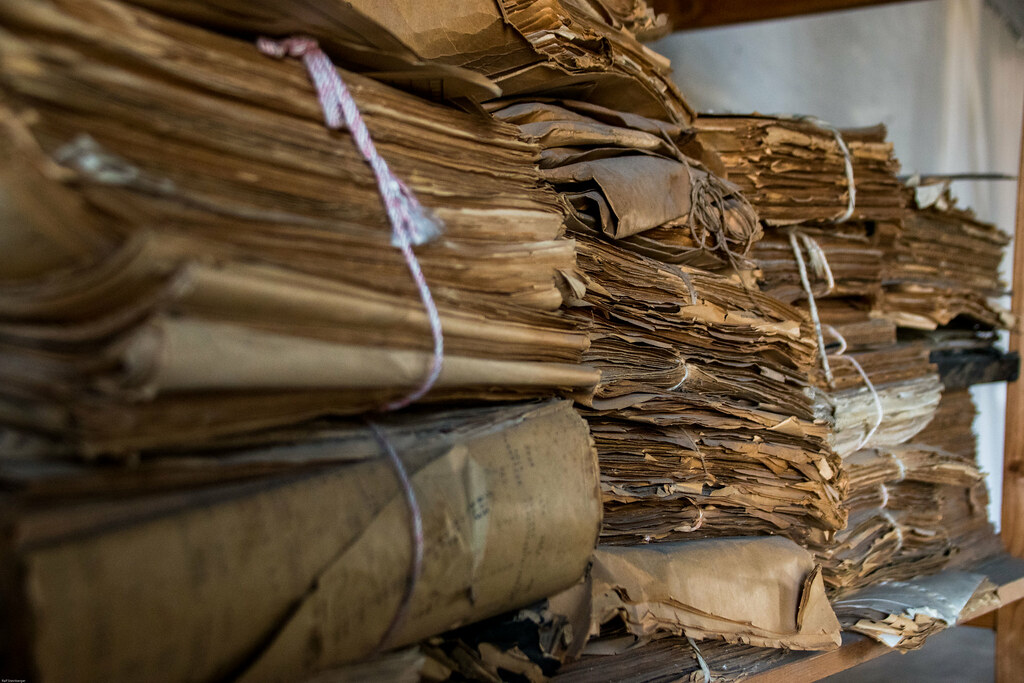
Photo by www.ralfsteinberger.com, licensed under CC BY 2.0
Somewhere after a funeral, often much later than anyone expects, there's a box, a drawer, or a closet shelf that holds what's left of someone's paper life — letters, photographs, cards, the small physical trail of a person who's gone. Sorting through it is one of the strangest kinds of work grief asks of you: administrative and deeply emotional at the same time. There's no correct way to do it, but there are ways to do it that protect both your heart and the material itself.
There's no right timeline
How long it takes before you feel ready to open that box isn't something you can plan in advance, and it isn't a reflection of how much you loved the person. Some people need to do it within weeks, as part of processing the loss directly; others need months or years of distance first. Both are normal. If family circumstances (an estate, a lease ending, a house being sold) force a deadline, it's fine to do a fast, careful "preserve everything, sort later" pass now, and the real sorting whenever you're actually ready.
Before you start: a few ground rules
- Don't do it entirely alone if you can help it. Going through boxes of photos and letters with a sibling, friend, or relative who can share memories — or just sit with you — tends to make the process easier than doing it in isolation.
- Give yourself permission to stop. This doesn't have to happen in one sitting. Short sessions, spread over weeks, are easier on you than a single marathon day.
- Photograph or scan before you handle things too much. Old paper is fragile, and repeated handling while sorting is one of the more common ways items get damaged. A quick digital record protects the content even if the original degrades.
Should you read personal letters?
This is genuinely one of the harder ethical questions in the whole process. There's a real difference between reading a private letter yourself, quietly, to understand your own family's history, and digitizing or sharing that same letter more widely. You generally can't know whether a letter is fine to pass along until you've read it, but reading it doesn't obligate you to share it. When in doubt, read privately first, and treat anything that feels like it was meant only for its original recipient as something to keep close rather than circulate, unless you have a clear reason to believe the person would have wanted otherwise.
Sorting without losing anything
A simple system beats an ambitious one you'll abandon halfway through:
- One holding area for everything, untouched at first. Consolidate everything into one place before deciding what anything means. This avoids losing track of an unlabeled envelope tucked somewhere unexpected.
- Loose piles, not final decisions. "Keep," "share with family," "unsure," and "let go of" are enough categories for a first pass. You don't have to make permanent decisions the first time through.
- Capture the context while it's still available. If older relatives are around who can identify names, dates, and places in photos, ask them now, even informally. A Sony ICD-UX570 is a good fit for this because it's small enough to sit unobtrusively on a coffee table and its built-in microphone is good enough that you don't need to fuss with a separate lapel mic mid-conversation. It preserves not just the facts but the sound of someone telling the story, which is its own kind of keepsake.
Turning a shoebox into something lasting
Once you've been through the material once, a few steps make it far more likely to survive and actually get looked at again, rather than going back into a box in a closet:
- An Epson Perfection V600 lets you digitize fragile originals so the images survive even if the paper doesn't; it's worth calling out specifically because it's one of the few consumer scanners that handles both photo prints and old 35mm slides or negatives, which is common in an estate box that was never sorted into one format. It also makes it easy to share copies with other family members without handing over the only original.
- For anything you keep in physical form, a Pioneer acid-free archival album prevents the slow yellowing and degradation that ordinary photo albums and cardboard boxes cause over years; Pioneer's line is built specifically without the acid, lignin, and PVC that cause that damage, rather than just being marketed as "archival," and the pocket-style pages are inexpensive enough that you can use several without worrying about handling original photos too much.
- A small Mixbook photo book made from a "greatest hits" selection turns a folder of scans into something that actually gets pulled off a shelf, rather than an archive too large to ever revisit casually. It costs a little more than a bare-bones printing service, but the sturdier result is worth it for something meant to be handled repeatedly.
If you want a dedicated place for the physical originals you do keep, our keepsake box guide covers how to build one that protects paper and photographs long-term.
What to do with their digital accounts and online presence
A loved one's digital footprint deserves the same care as a box of letters, even though it's easy to overlook in the middle of everything else. Most major platforms offer two real options: memorializing the account (turning it into a preserved, non-editable tribute page that friends and family can still visit) or permanently closing it at a verified family member's request. Facebook, Instagram, and Google all have documented processes for this, usually requiring a death certificate or equivalent proof; expect a real form submission, not just a quick settings change.
Before you do either, it's worth deciding what you actually want preserved. A memorialized profile keeps photos, posts, and messages visible to people who already knew the account existed, which can be a comfort for friends who want a place to leave a memory. Closing the account instead prevents anyone from stumbling across birthday reminders or old activity that can otherwise resurface unexpectedly and painfully. Neither choice is wrong; it depends on whether the account feels more like a keepsake or more like an open wound.
If you're the one initiating this, download any photos, messages, or posts you want to keep before requesting memorialization or closure — some platforms limit what's accessible afterward, even to family. This is the same “copy before you organize” instinct that applies to physical letters and photos, and our digital nostalgia guide covers how to actually get a full data export off a platform you don't use often.
Sharing the process with others
Sorting a loved one's things is rarely only your grief to carry. Where possible, involve siblings, cousins, or close friends of the person — not necessarily all at once, but enough that the material, and the memories it surfaces, get to be shared rather than held by one person alone. Setting aside duplicates or copies for other family members, especially of photographs, is often deeply appreciated even if nobody thought to ask for them.
What to do with what you don't keep
You don't have to keep everything, and letting go of some of it isn't a betrayal. For items you can't keep but that feel wrong to simply discard — a stack of unremarkable receipts, duplicate photos, cards from people you can no longer identify — it's fine to photograph them as a record and then let the physical object go. What you're preserving is the memory and the story, not necessarily every individual scrap of paper it arrived on.
Frequently Asked Questions
How soon after a death should I go through their letters and photos?
There's no correct timeline. Some people feel ready within weeks; others need months or years of distance first. If an estate or lease deadline forces the issue, it's fine to do a fast “preserve everything, sort later” pass now and save the real sorting for when you're actually ready.
Is it OK to read a deceased loved one's private letters?
There's a real difference between reading a letter privately to understand your own family's history and sharing it more widely. You generally can't know if a letter is fine to pass along until you've read it, but reading it doesn't obligate you to share it — when in doubt, keep anything that feels personal close rather than circulating it.
What's the best way to preserve old photos and letters long-term?
Scan or photograph fragile originals before handling them too much, store anything you keep physically in acid-free albums or boxes, and back up digital copies in at least two places. A flatbed scanner that handles both prints and old slides or negatives is worth it if the collection includes mixed formats.
What should I do with a deceased loved one's social media or email accounts?
Most major platforms offer a memorialization or legacy-contact option, or a way for a verified family member to close the account entirely — see the section above on handling their digital accounts and online presence.
Do I have to keep everything I find?
No. It's fine to let go of items you can't keep but feel wrong to simply discard, by photographing them as a record first. What you're preserving is the memory and the story, not necessarily every individual scrap of paper.