
The Letter-Writing Revival: Why Handwritten Letters Still Matter
Last updated July 11, 2026
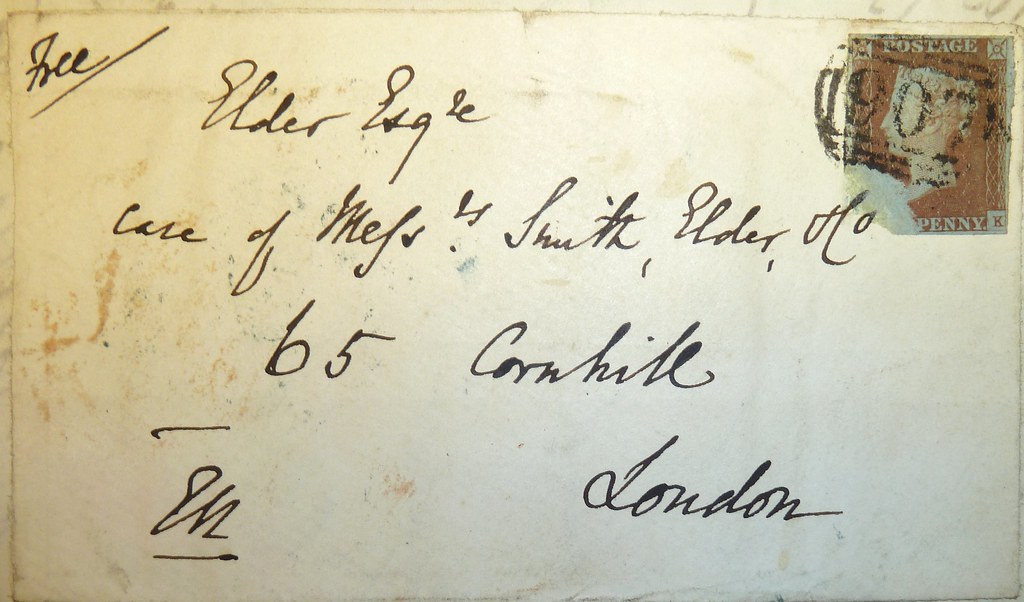
A text message is read in three seconds and often forgotten in ten. A letter takes minutes to read, sits on a counter or desk for days afterward, and sometimes gets kept for years. That difference in weight is exactly why letters are having a quiet revival among people trying to reconnect with someone who matters — not because handwriting is more "authentic," but because the format itself forces a kind of care that's hard to fake in a text.
Why a letter works when other formats don't
It can't be misread as thoughtless
A text can be dashed off in ten seconds, and the recipient often reads it that way even if you didn't mean it that way. A letter, by its nature, takes real time and effort — buying stationery, sitting down to write, addressing an envelope, finding a stamp. The recipient knows this, and it changes how the message lands. It reads as "I made time for you," which is often the exact thing that a strained or faded relationship needs to hear.
It gives the reader room to feel things privately
Texts demand a reply, often quickly, which can put pressure on emotionally complicated situations. A letter doesn't ping anyone's phone. The recipient can read it in a quiet moment, sit with it, reread a line, and decide how and when to respond — on their own timeline, without the low hum of obligation a text thread creates.
It survives
Text threads get deleted when you switch phones. Old social media DMs vanish when platforms shut down or accounts get deactivated. A letter sits in a drawer for decades and can still be found, unchanged, by someone going through a keepsake box (see our keepsake box guide) long after the conversation that prompted it is forgotten.
What to actually write, structured
The blank page is the hardest part. A simple four-part structure removes most of the pressure:
1. Open with the specific reason you're writing
Same principle as reaching out digitally (see our reconnection guide): specificity beats vagueness. "I was going through old photos and found one of us at..." gives the letter an honest, concrete starting point rather than a generic "it's been a while."
2. Acknowledge the gap once, briefly, then move past it
One sentence is enough — "I know it's been years since we've spoken" — followed immediately by moving into the actual content of the letter. Letters have a way of inviting over-explanation because there's so much space to fill; resist it. Long apologies for lost time tend to center your guilt rather than the other person.
3. Say the actual thing
This is the part a text usually skips past. A letter has room for something you might never type: a specific memory that still makes you smile, a thing they said once that you still think about, an honest acknowledgment of what their friendship meant during a particular stretch of your life. This is the part worth taking your time on. It's also the part people keep.
4. Close with an easy, low-pressure door
Just like a first digital message, don't end with a demand. "I'd love to hear how you're doing, whenever you have time" leaves the response entirely up to them, with no clock running.
Materials, without overcomplicating it
You do not need calligraphy skills or an elaborate stationery collection. A plain Crane & Co. cotton paper set and any pen you already own is enough — Crane's cotton-fiber paper is the same stock used for a lot of formal correspondence, and it visibly reads as "not a receipt" the moment someone pulls it out of the envelope, which is most of what you're going for. It costs more per sheet than a basic pad, so it's worth saving for the actual letter rather than practice drafts. If you want to make the ritual itself more enjoyable (which can genuinely help you actually sit down and write), a few small upgrades are worth considering:
- A Pilot Metropolitan — the pen most consistently recommended to first-time fountain pen users because the nib is smooth right out of the box instead of skipping or scratching like a lot of bargain pens do; it only comes in fine or medium widths, so it's worth checking that against your handwriting before buying. It's slower and more deliberate than a ballpoint, which some people find actually helps them slow down and write more thoughtfully rather than rushing.
- An Anezus wax seal kit — a small, slightly theatrical touch that makes an envelope feel like an event before it's even opened. It's a genuinely complete starter kit (stamp, wax beads, and a warmer all included), though a few reviewers note the wax can stay tacky and occasionally tear the envelope on opening, so treat it as a first kit to learn on rather than a lifetime one.
None of this is required. The plainest letter, written honestly, outperforms an elaborately decorated one written half-heartedly.
Common hesitations, addressed
"What if my handwriting is bad?" Legible is enough; it doesn't need to be beautiful. Slightly messy, genuine handwriting reads as more human than none at all.
"What if they don't write back?" Give it real time — letters get set aside more easily than a phone notification, and a thoughtful reply often takes longer to compose. If weeks pass with nothing, that's still useful information, and you've lost nothing by having sent something warm and true.
"Isn't this a bit much?" Only if the relationship doesn't warrant it. For someone you've drifted from over years, and would genuinely like back in your life, "a bit much" is often exactly the right amount of effort to signal that you mean it.
Start smaller than you think you need to
If a full letter feels daunting, a postcard is a legitimate, lower-pressure way to dip a toe in. Short, physical, and mailed — it carries much of the same weight as a full letter with a fraction of the perceived effort. It can also be a good first move before a longer letter, or a good follow-up after one. Either way, the format itself is doing a lot of the work. All you have to do is put something honest on the page and drop it in the mail.
Frequently Asked Questions
What kind of paper or pen do I actually need to write a reconnection letter?
Less than you'd think — any pen you already own and a plain sheet of paper is enough. A cotton-fiber stationery set or a fountain pen can make the ritual more enjoyable, but a plain letter written honestly outperforms an elaborately decorated one written half-heartedly.
Is a postcard an acceptable substitute for a full letter?
Yes — a postcard is a legitimate, lower-pressure way to start. It's short, physical, and mailed, and it carries much of the same weight as a full letter with a fraction of the perceived effort. It also works well as a good first move before a longer letter.
What if my handwriting is bad?
Legible is enough; it doesn't need to be beautiful. Slightly messy, genuine handwriting reads as more human than none at all.
What if they don't write back?
Give it real time — letters get set aside more easily than a phone notification, and a thoughtful reply often takes longer to compose. If weeks pass with nothing, that's still useful information, and you've lost nothing by having sent something warm and true.
Isn't writing a whole letter a bit much for reconnecting?
Only if the relationship doesn't warrant it. For someone you've drifted from over years, and would genuinely like back in your life, “a bit much” is often exactly the right amount of effort to signal that you mean it.